
The United States Mint produced the Eisenhower dollar in 1975 and 1976 for the celebration of the 200th anniversary of the country.
Legislators authorized a special design, and it shows a moon and the Liberty Bell on the back side of the coin.
Workers at the minting facilities created millions of these coins, and they used two different types of letters.
Type I coins have thick letters with a simple style and represent the early production phase of the commemorative program.
Type II coins have thin letters with a more elegant look because they appeared later in the manufacturing process.
Collectors often look for the Type I version because the mint produced fewer copies of this specific design.
Government officials decided to put the double date 1776-1976 on every coin, and this makes it impossible to distinguish between years.
Identifying a valuable specimen requires a careful look at the small details near the portrait of Dwight D. Eisenhower.
Many tools and lifehacks help in seeing the differences of the 1976 dollar coin value and allows for a better view of the letters and the mint marks.
Most of these coins consist of a copper-nickel alloy and often show an orange or red line on the edge.
Special versions contain 40 percent silver because the mint produced them specifically for people with collections.
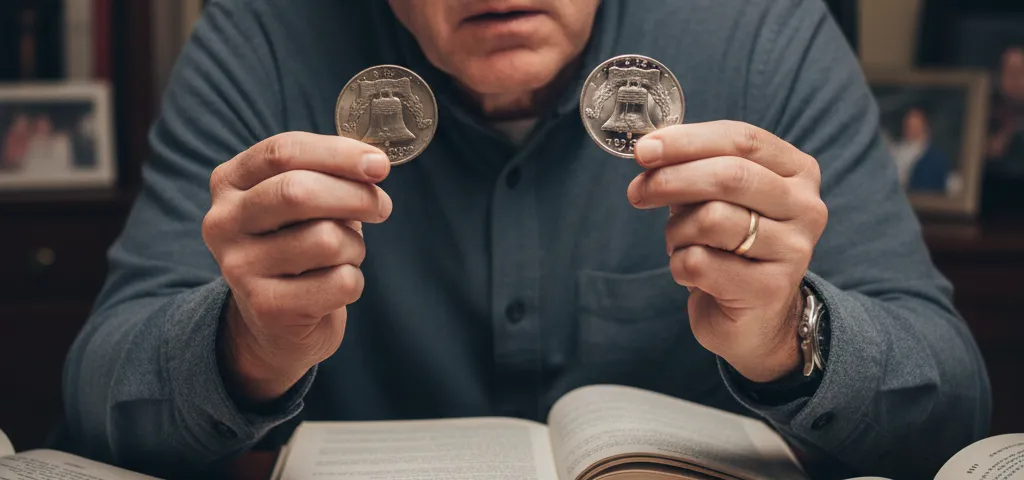
Type I and Type II Design Variations
Distinguishing between the two main types involves a check of the thickness of the words on the reverse side.
The words United States of America appear in a bold font on Type I coins and show very little space between the characters.
The Type II version displays a much sharper and thinner font for more light to reflect from the surface of the metal.
People searching for rare coins should focus on the Type II copper-nickel coins from the Philadelphia mint.
The Philadelphia mint did not put a letter on the coins, and they are easy to identify by the space near the neck.
Finding a Type II coin without a mint mark in perfect condition results in a higher price at an auction.
Type I coins from the Denver mint usually have a small letter D, and it is located above the date.
The Denver mint produced billions of these coins, and the value remains low for circulated pieces.
High-quality coins show no scratches from circulation and command a premium in the numismatic market.
Professional grading services examine these coins with a scale from 1 to 70 for the exact level of preservation.
A coin withae grade of 67 or higher represents a significant investment for a serious collector. The hair of the president and the surface of the moon provide clues about the history of the coin.
Composition and Weight
The coins in standard circulation weigh 22.68 grams and consist mainly of copper and a small amount of nickel.
The silver variants weigh 24.59 grams because silver has a higher density than the copper-nickel mixture. Checking the weight of a coin using digital scales allows you to quickly determine the material from which it is made.
There are no brown or copper stripes on silver coins when looking directly at the edge of the metal.
Solid silver edging indicates the presence of a 40% silver alloy in the collection sets.
The San Francisco Mint produced these silver coins and put the letter S on the obverse. Some silver coins have a mirror surface, and people call this a mirror coating.
Other coins have uncirculated coating, and they look more like standard coins, but have more details.
Coin Feature | Copper-Nickel Version | 40% Silver Version |
Mint Mark Options | None (P), D, S | S (Only) |
Standard Weight | 22.68 grams | 24.59 grams |
Edge Color | Brown/Copper line visible | Solid silver color |
Type I Rarity | Common in circulation | Common in sets |
Type II Rarity | Very common | Common in sets |
Typical Market Price | $1.05 - $5.00 | $10.00 - $50.00 |
Factors Affecting the Market Value
Determining the value involves checking the luster with a coin identifier app because it is the natural shine of the metal surface.
Coins stay in pockets for a long time, and they lose their luster and become dull and grey.
A coin with its original shine from the mint attracts more buyers for a high price.
Errors during the minting process also increase the value of a 1976 dollar coin.
A double die error happens when the machine hits the coin twice and creates a shadow on the letters.
An off-center strike occurs when the metal disk is not in the correct position inside the press.
Finding a coin with a visible error creates an opportunity for a sale to a specialist.
Most 1976 dollars in change are only worth one dollar because of the high production numbers.
Banks distributed millions of these coins to the public during the bicentennial celebrations.
Keeping a coin in a plastic holder prevents air and moisture from changing the color of the metal.
Oxidation causes the copper to turn black or green and reduces the beauty of the design.
Silver coins can turn blue or purple through toning, and they do not lose their financial value.
Step-by-Step Guide
Following a specific order of actions ensures a correct evaluation of any 1976 dollar coin.
Check the front of the coin for a mint mark above the date with the coin value checker app
Look at the back of the coin to see if the letters are thick or thin
Observe the edge of the coin for a copper line to identify the metal
Use a scale to confirm the weight of the coin for the silver content
Search for any mistakes like double letters or missing parts of the design
Compare the condition of the coin to pictures of professionally graded specimens
Finding a coin with the stamp of the mint S and silver edging is a positive result for anyone.
Most people find that their coins are a standard copper-nickel coin from the Denver Mint. A reputable dealer or online auction is required to sell the coin.
Clear photos showing both sides of the coin help potential buyers make a decision.
Studying the latest sales of similar coins gives a realistic idea of the final price.
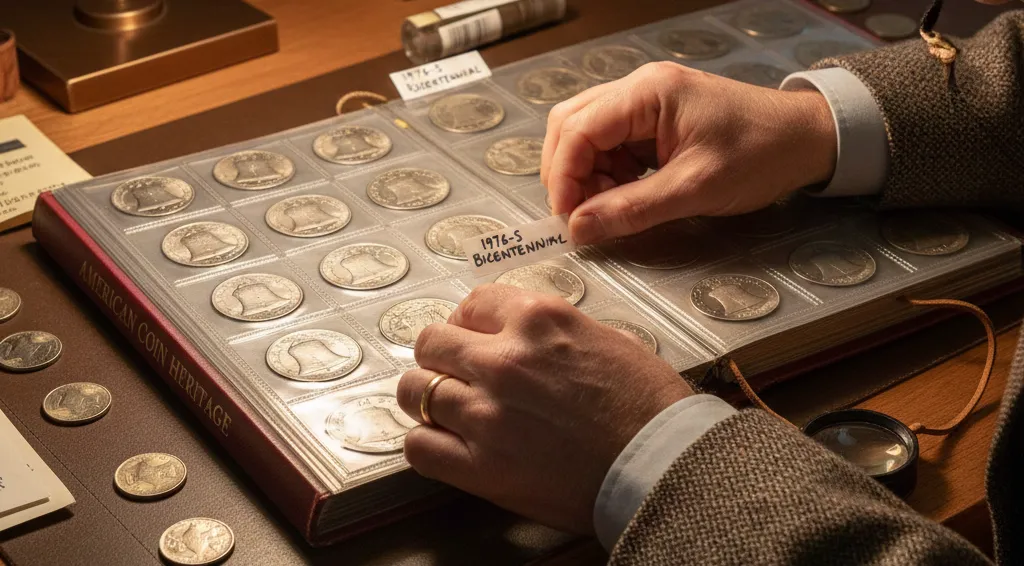
Prices for the rarest specimens reach several thousand dollars at specialized coin exhibitions. The value of most coins remains close to their original face value due to the huge supply.
Understanding the difference between an ordinary coin and a rare treasure requires patience and study.
Safety Observations
Storing coins in a cool and dry place ensures the chemical stability of the alloy.
Touching the surface of a coin with your fingers leaves grease and eventually leads to permanent damage. Holding a coin by the edges is the best way to move it from one container to another.
Using a soft cloth to clean coins is a mistake, and it immediately reduces their value. Collectors prefer coins in their original form, even if they have dirt or a natural shade. The cleaned coin looks artificial, and microscopic traces of minting disappear on it.